

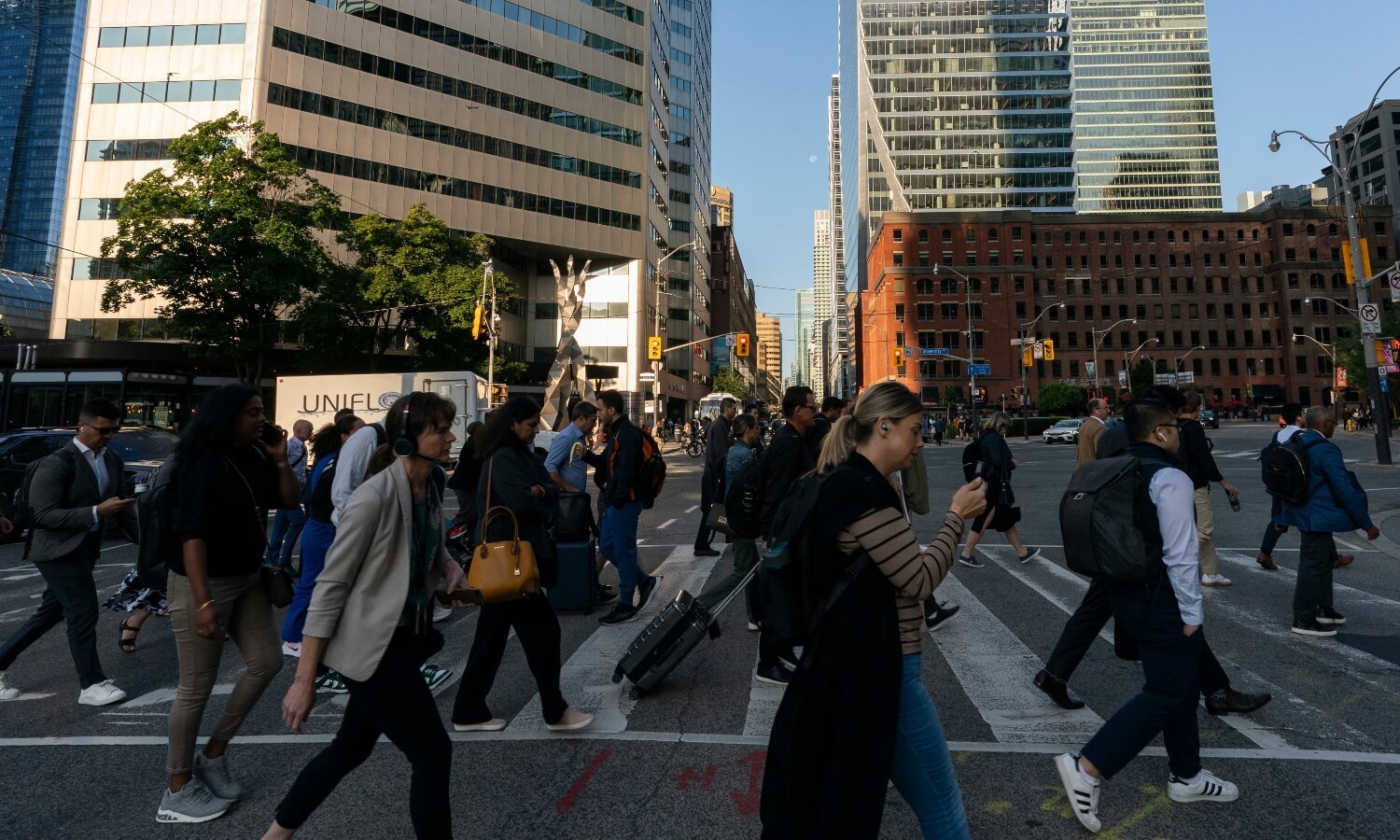
Introduction to the New Normal
The pre-pandemic standard of working in the office for five days is making a comeback for many Canadians. However, this time around, it’s not exactly the same. The costs of almost everything, from food to gas, have increased significantly over the past five years. But for many office-goers, their salaries haven’t kept pace.
The Rising Costs of Commuting
For those returning to the office, the costs of transit, parking, meals, and even dog walkers are expected to increase as they prepare to spend more time outside their homes. Financial educator Edueek Brooks estimates that the cost of returning to the office can range from $800 to $1,000 per month for a five-day workweek. This calculation includes driving to work, paying for parking, eating out a few times a week, and additional costs such as buying new clothing and beauty products.
Adjusting to the New Expenses
Experts say that this could be a good time to reassess financial priorities. Caval Olson-Lepage, a certified financial planner at Innovation Wealth, advises people to review their budgets and distinguish between wants and needs. "It’s really about being aware of what you’re spending your money on and whether it’s a need that you absolutely have to spend on," she said. Instead of buying coffee every morning, it might be more helpful to set aside $30 in your budget once a week.
The Myth of Working from Home as a Cost-Saver
Sara McCullough, a certified financial planner and founder of WD Development, notes that working from home doesn’t always mean saving money. "Did you get an additional subscription because you don’t commute?" she asked. McCullough advises people to be realistic about how their spending habits have shifted over the years and consider options to increase their income.
Planning for the Future
Olson-Lepage suggests that forward-looking planning can help make office days more affordable. "If you can plan your time on a Sunday before the workweek to prepare all your lunches, it’s ready," she said. "You don’t have to think about it during the week when you’re tired." Brooks recommends buying snacks in bulk and keeping them at your desk to avoid spending money on impulse purchases.
The Balancing Act
The return to the office will be a balancing act for many people as they get used to being outside the house again. "It’s definitely not easy, and there’s no uniform formula, but it’s about being really aware of your situation," Olson-Lepage said. Despite best efforts to minimize costs, people may not save as much as they did when working from home, at least not in the first six months.
Conclusion
In conclusion, the return to the office is a significant adjustment for many Canadians, with increased costs for commuting, food, and other expenses. By reassessing financial priorities, planning ahead, and being mindful of spending habits, individuals can make the transition more manageable. While it may take time to adjust, being aware of one’s financial situation and making conscious choices can help make the new normal more affordable.