

Introduction to Financial Planning
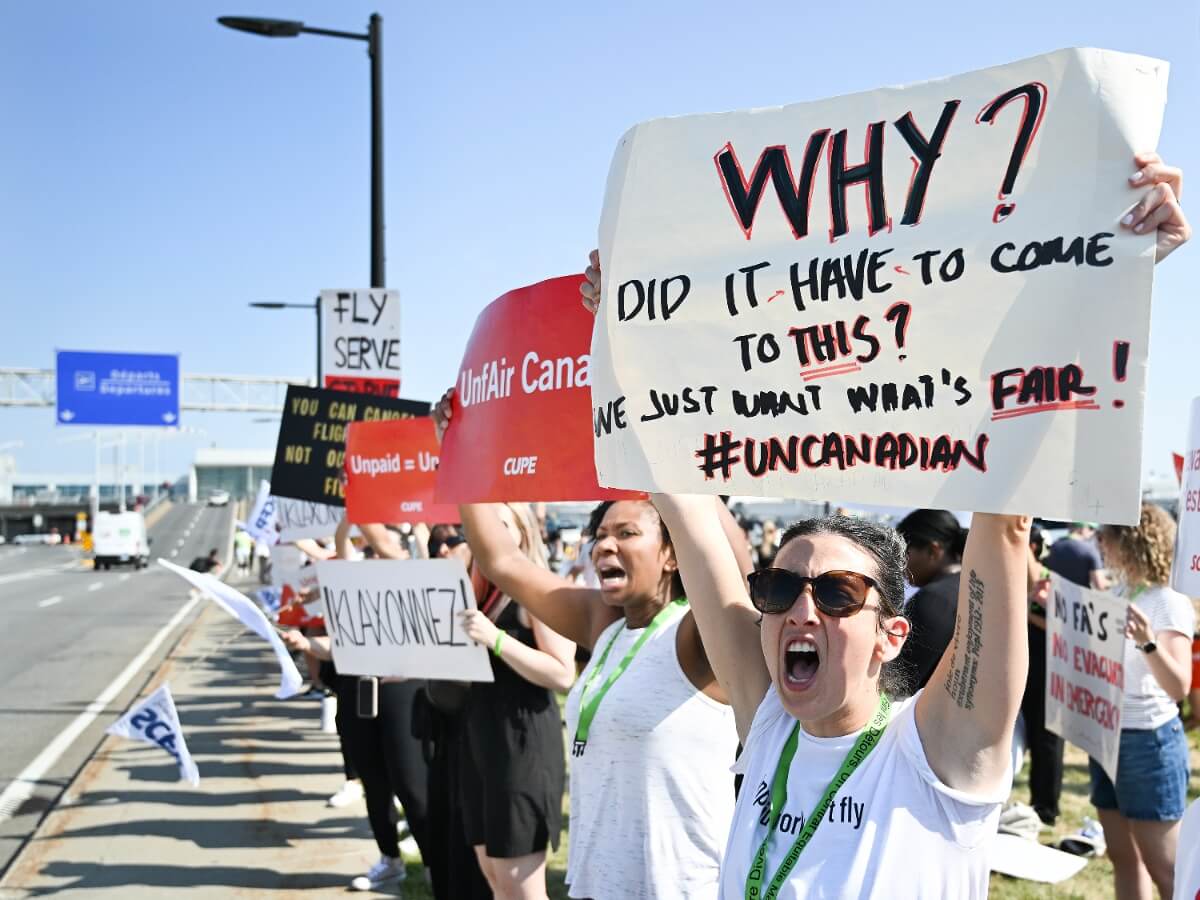
Dealing with a wage disruption, such as a strike, requires careful planning and preparation. According to experts, this planning should start well before any potential strike. Marty Warren, national director of the United Steelworkers union, advises union members to set aside savings in case of a strike. "If we can’t negotiate for a year, it’s time to set aside some savings just in case," he said. Although it’s impossible to predict whether a strike will occur or how long it will last, having a financial safety net can make a significant difference.
Building an Emergency Fund
To boost savings, Warren recommends working overtime when available and considering delaying large purchases, such as a new car or home. "Of course, if you have a car and it breaks down, you have to replace it, but some of these larger purchases you should hold off on just so you’re able to vote with your heart (when your company asks you if you’re ready to strike)," he said. This approach allows individuals to make decisions without being influenced by financial pressures.
Adjusting Savings Goals
Mark Kalinowski, partnership and education specialist at the Credit Counseling Society, suggests that workers can reallocate money from one savings goal to another. "People often don’t see that one savings goal is transferable to another savings goal," he said. For example, if someone is saving for a vacation, they can temporarily redirect those funds to build a strike fund. Kalinowski recommends putting aside money in a tax-free savings account each time a payout is received. If that’s not possible, he suggests cutting back on non-essential expenses, like daily coffee purchases, to free up funds.
Reducing Costs and Determining Essential Expenses
During the COVID-19 pandemic, Kalinowski and his wife calculated their basic needs, such as food, utilities, and housing expenses. They were surprised to find that they needed less money than they thought to make ends meet. Kalinowski encourages others to do the same exercise, especially if they’re worried about a potential strike. By understanding their essential expenses, individuals can better prepare for financial disruptions.
Managing Debt and Recurring Payments
Kalinowski acknowledges that some people have outstanding payments, such as mortgages, loans, credit cards, and student debt. He recommends contacting lenders as soon as possible to discuss potential extensions or relief in the event of a strike. "When you contact us, we typically find that banks that deal with mortgages don’t want to own your home," Warren said. "They always find a way to work with us or our members to be honest, defer payment until the end or make a half payment." Some lenders also allow skipping a payment.
Understanding Strike Pay
While workers may not receive their full wages during a strike, unions often offer strike pay. However, this pay usually comes with conditions, such as requiring workers to picket or participate in other work actions. Warren notes that strike pay is not equal to regular wages but can help workers get by. In extreme circumstances, unions may set up hardship committees to distribute additional resources to members in need.
Living Frugally and Recovering from a Strike
Unions encourage workers to take on gig work or find other ways to make ends meet during a strike. "If you have that skill, you can paint and build a patio," Warren said. After a strike, workers often focus on recovering from their workload and preparing for future negotiations. This may involve continuing to live frugally, putting off large purchases, or working overtime to rebuild their finances.
Conclusion
In conclusion, preparing for a potential strike or wage disruption requires careful financial planning. By building an emergency fund, adjusting savings goals, reducing costs, managing debt, and understanding strike pay, workers can better navigate financial challenges. Living frugally and finding ways to make ends meet during a strike can also contribute to a smoother recovery. By taking these steps, individuals can protect their financial well-being and make informed decisions, even in uncertain times.